Cyprus Passion

Cyprus, an island steeped in history and legend, is home to a number of impressive castles that stand as silent sentinels of its turbulent past. These fortifications, built by various rulers over centuries, have witnessed countless battles, sieges, and political changes. Today, they offer visitors a fascinating glimpse into the island’s medieval history and the strategic importance it once held in the Mediterranean. Notably, some of the most significant castles, including Kantara, Buffavento, and St. Hilarion, are located in the occupied northern part of the island. 

In this article, we’ll explore some of the most important castles on the island, each with its own unique story to tell.

Kolossi Castle: The Stronghold of the Crusaders

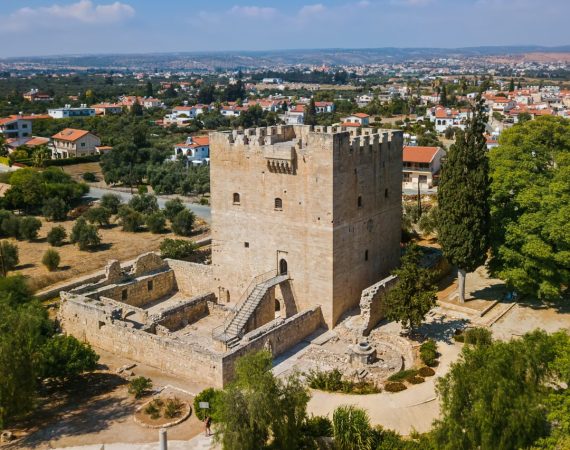
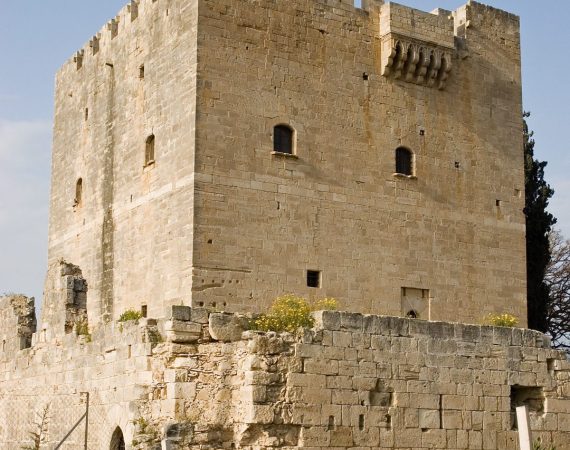
Located near the city of Limassol, Kolossi Castle is one of the most well-preserved medieval castles in Cyprus. Originally constructed in the 13th century by the Knights of St. John, this fortress served as a key military stronghold during the Crusades. Its strategic location allowed the Crusaders to control the surrounding area and protect their sugarcane plantations, which were a valuable source of income.

The castle’s compact, square design, with its thick walls and single tower, is typical of military architecture of the period. The interior of the castle is simple yet functional, with rooms that served as living quarters, storage spaces, and even a chapel. One of the most interesting aspects of Kolossi Castle is its association with the production of Commandaria, a sweet dessert wine that is still produced in Cyprus today. The castle’s history is closely intertwined with the island’s agricultural and economic development, making it a key site for understanding Cyprus’s medieval past.

St. Hilarion Castle: The Enchanted Fortress

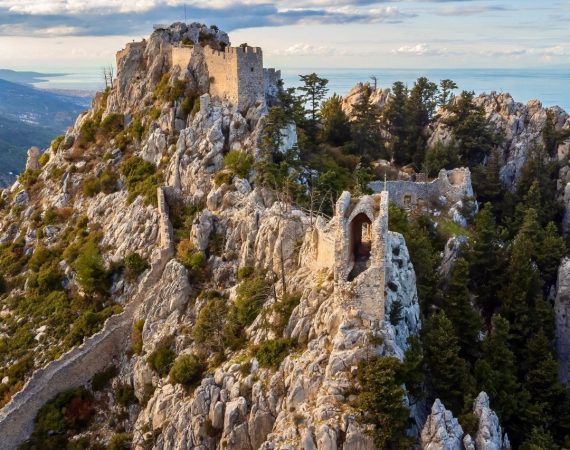
Perched high in the Kyrenia mountain range, St. Hilarion Castle is one of the most enchanting castles in Cyprus. Its fairy-tale appearance has inspired legends and even influenced the design of Walt Disney’s Sleeping Beauty Castle. Built by the Byzantines in the 10th century to protect against Arab raiders, St. Hilarion Castle later became a favored retreat for the Lusignan kings who ruled Cyprus in the Middle Ages.

The castle is divided into three sections, each built on different levels of the mountain. The lower section housed the garrison and stables, while the middle section contained the royal apartments and a church. The upper section, known as the Prince John Tower, offers breathtaking views of the surrounding landscape and the sea beyond. Exploring the castle’s winding staircases, hidden passages, and crumbling battlements feels like stepping into a medieval fantasy, making St. Hilarion a must-visit for history enthusiasts and romantics alike.

Kantara Castle: The Watchtower of Cyprus

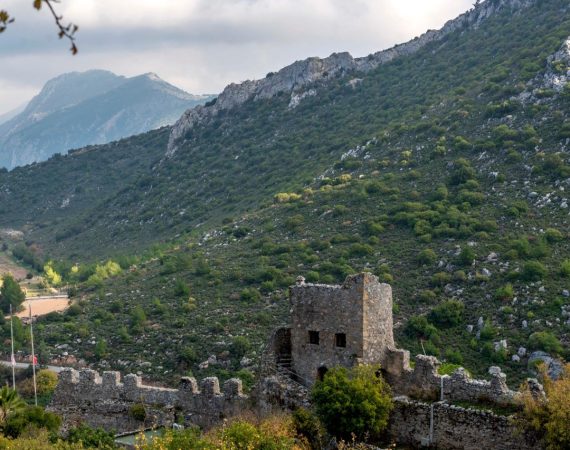
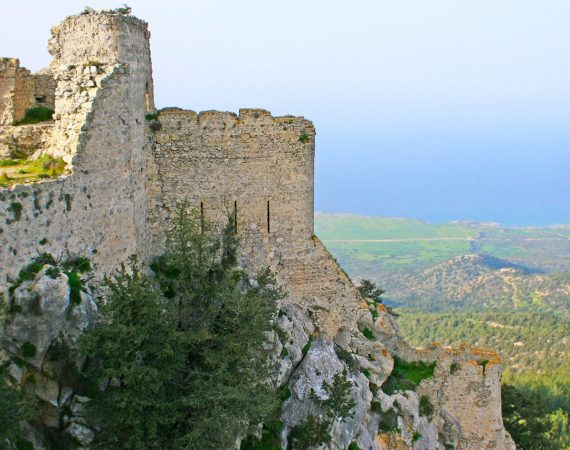
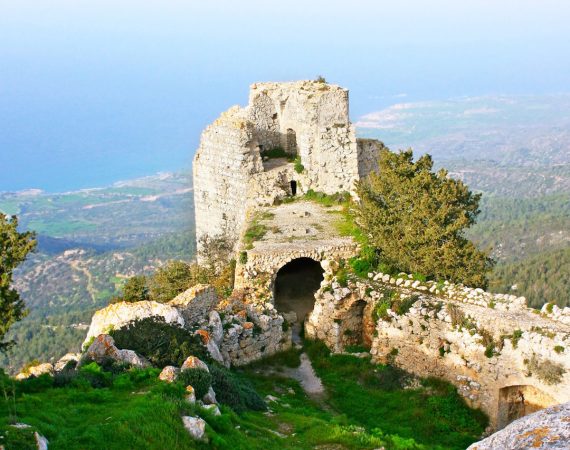
Kantara Castle, situated on the easternmost peak of the Kyrenia mountain range, is the third of the trio of mountain castles that once guarded the northern part of Cyprus. Built by the Byzantines in the 10th century, Kantara Castle served as a watchtower, offering extensive views over the northern coastline and the Mesaoria plain. Its strategic location allowed for early warnings of incoming attacks, making it an essential part of the island’s defense system.

Though less well-preserved than St. Hilarion, Kantara Castle’s ruins are no less impressive. Visitors can explore the remains of the keep, cisterns, and chapel, while enjoying panoramic views that stretch as far as Turkey on a clear day. The castle’s remote location and rugged beauty make it a favorite spot for hikers and those seeking a peaceful escape into nature.

Buffavento Castle: The Impregnable Bastion

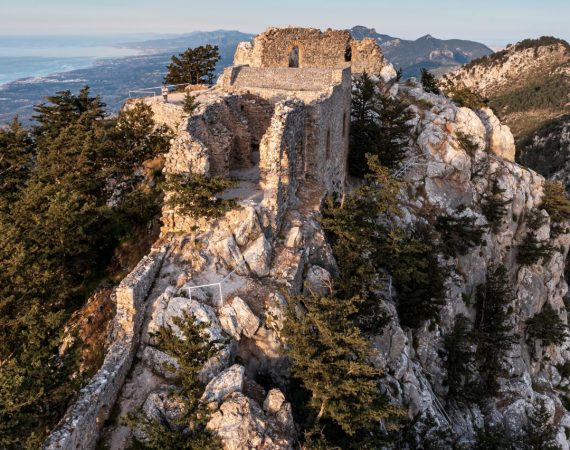
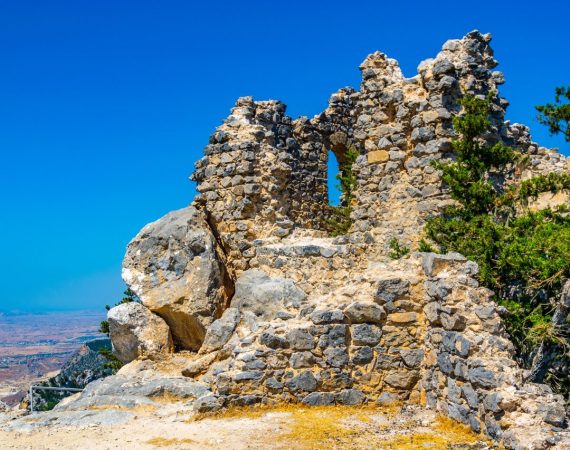
Buffavento Castle, the highest of the Kyrenia mountain castles, sits at an elevation of 950 meters above sea level. Its name, meaning “Defier of the Winds,” reflects its exposed position, often buffeted by strong gusts. Buffavento was built as part of the island’s defense network against Arab raids and later expanded by the Lusignans.

The castle’s challenging terrain and steep ascent deterred many attackers, contributing to its reputation as nearly impregnable. Today, the climb to Buffavento is a rewarding experience, offering not only a sense of the castle’s formidable defenses but also stunning views of the surrounding landscape. The castle’s ruins include the remnants of the keep, cisterns, and a small chapel, providing insight into the harsh conditions endured by its defenders.

Paphos Castle: A Coastal Sentinel

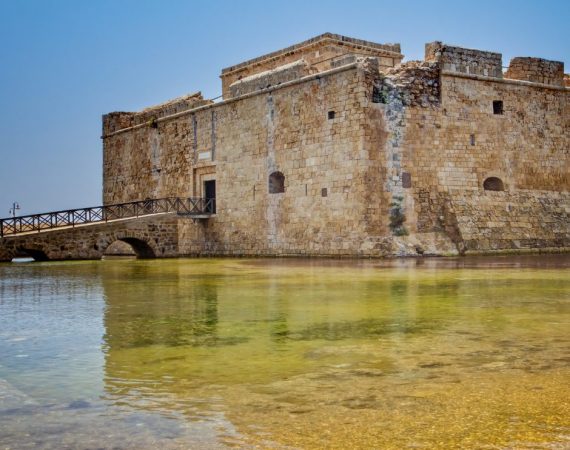
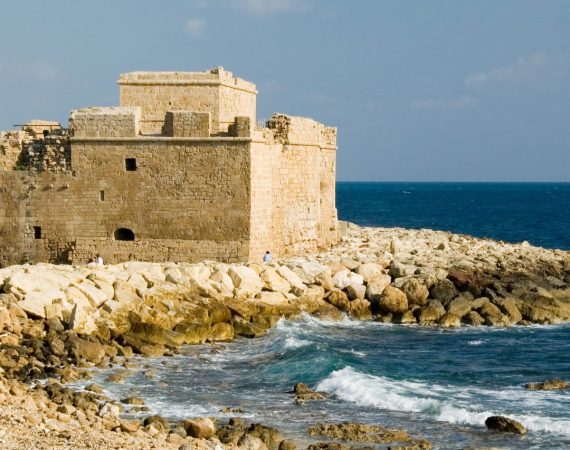
Paphos Castle, located at the harbor of Kato Paphos, is a prominent landmark that has stood as a guardian of the city’s coastline for centuries. Originally built as a Byzantine fort to protect the harbor from invaders, the castle was later dismantled by the Venetians and subsequently rebuilt by the Ottomans in the 16th century. The structure we see today is largely the work of Ottoman engineers, who fortified the castle to guard against possible attacks by European powers.

The castle is relatively small but strategically significant, with thick stone walls and a large central tower. It served various purposes over the years, including as a prison and a storage facility for salt during British rule. Today, Paphos Castle is a popular tourist attraction, offering visitors a chance to explore its storied halls and enjoy panoramic views of the Mediterranean Sea. The castle also plays a central role in the Paphos cultural scene, hosting events such as the annual Paphos Aphrodite Festival, where opera performances are held in the open air, against the backdrop of the ancient fortress.

Conclusion

The castles of Cyprus are more than just historical monuments; they are gateways to the island’s past, each telling a story of conquest, defense, and survival. Whether perched on rugged mountaintops or standing sentinel over fertile plains, these fortresses offer a unique glimpse into the strategic importance of Cyprus throughout history. Exploring these castles is not just a journey through stone and mortar but a voyage through the rich tapestry of the island’s heritage.

Read also