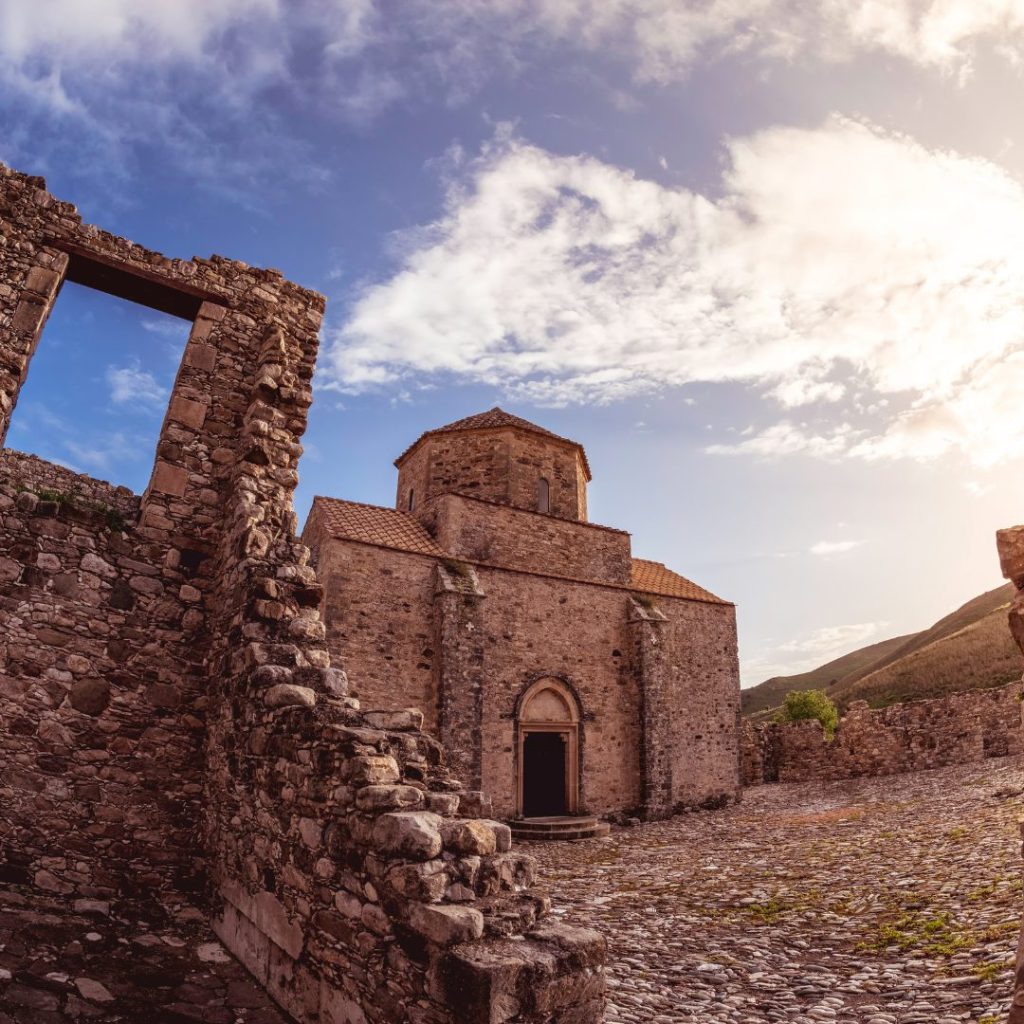
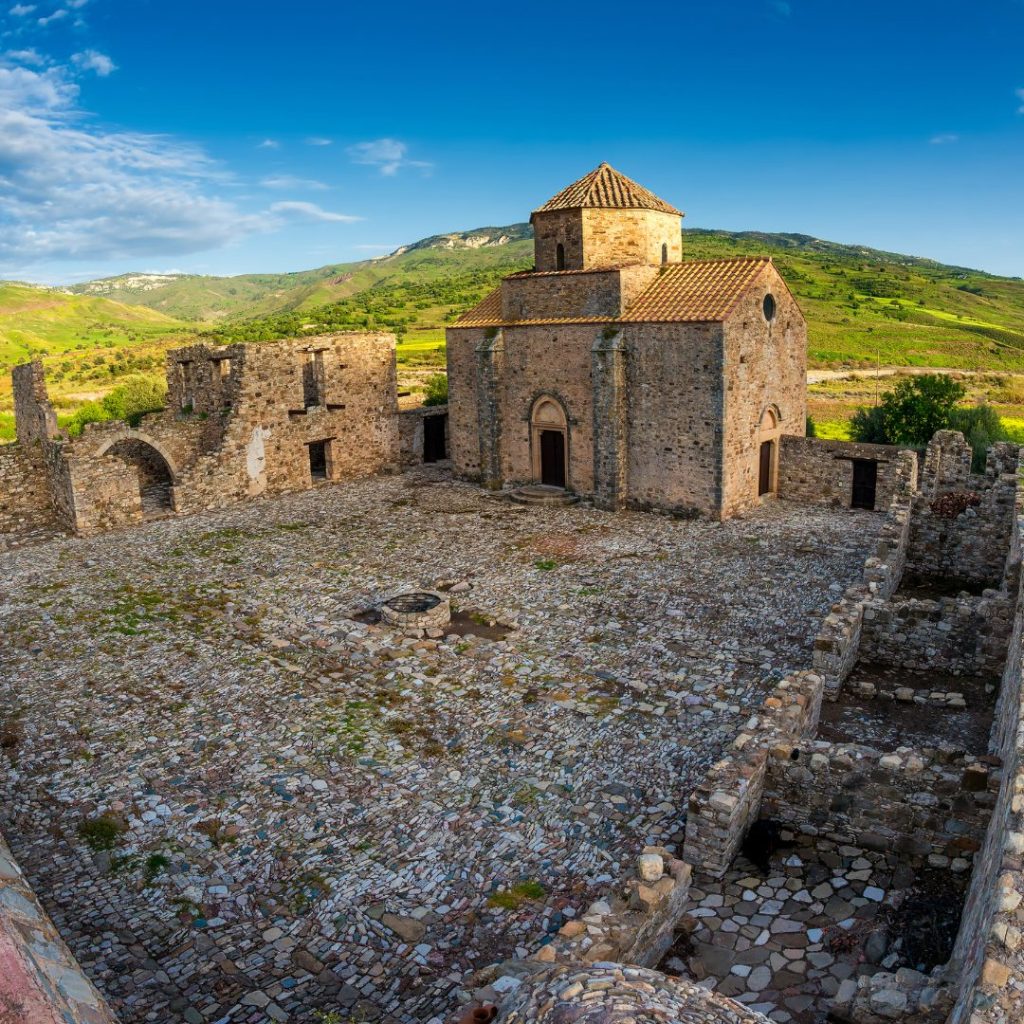
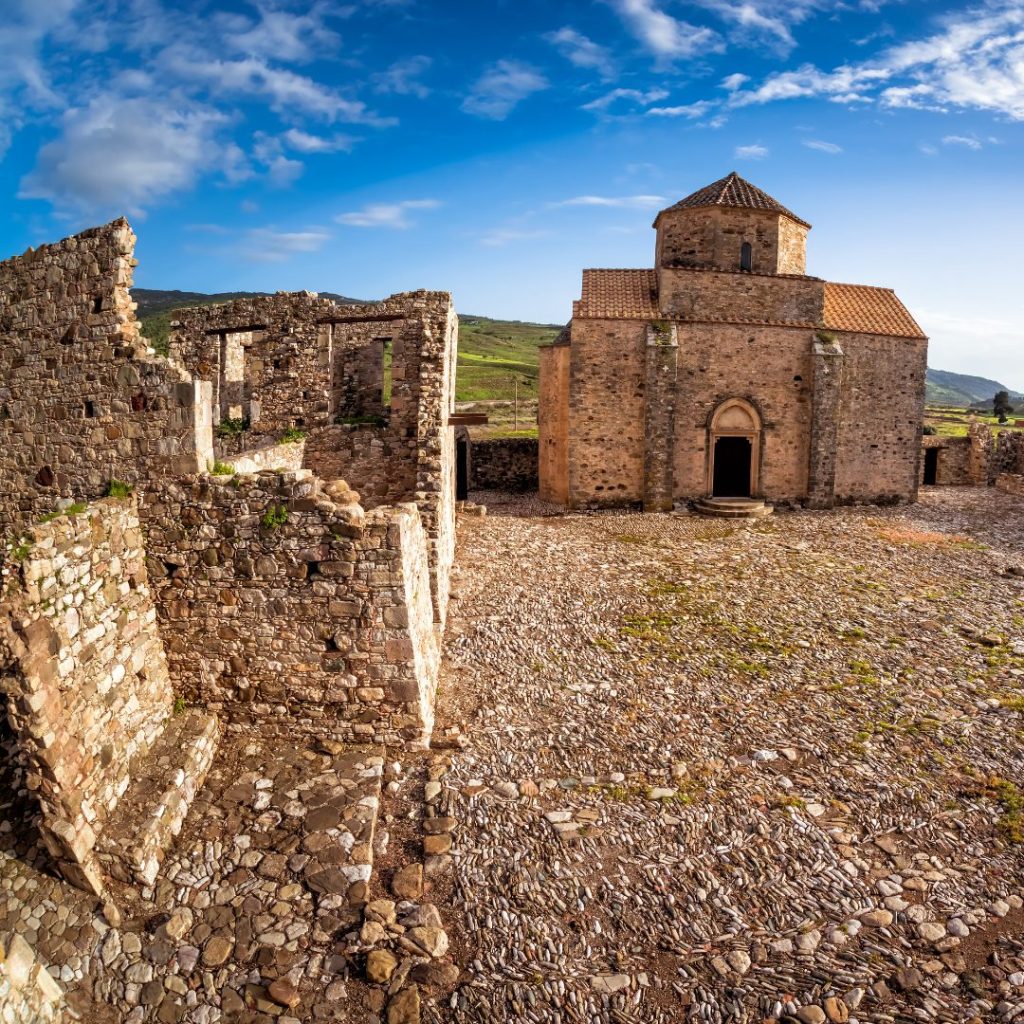
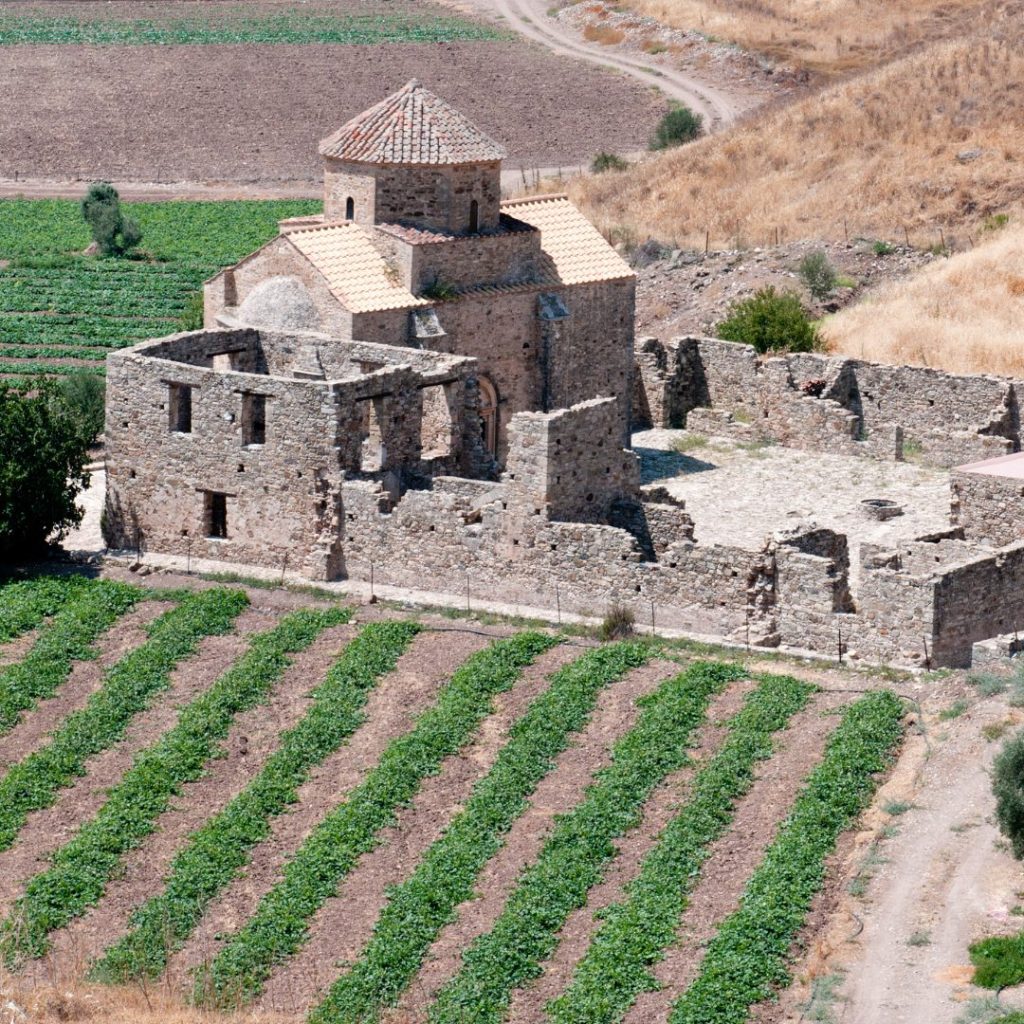
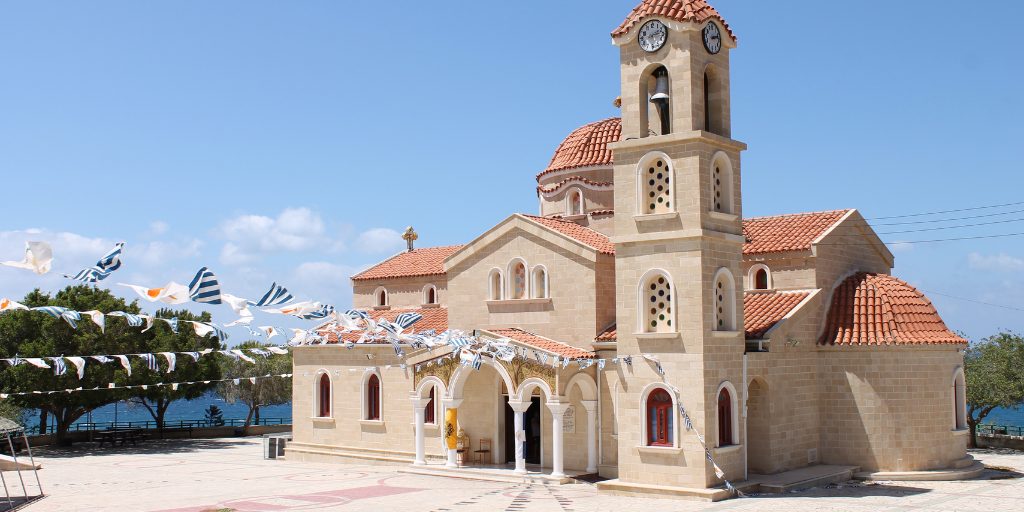
The architecture of the monastery features elements typical of Byzantine tradition, such as stone construction and a central dome. The katholikon, or main church, adorned with frescoes and icons, showcases the exquisite artistry of the late Byzantine period. In 1993, recognizing the monastery’s historical and cultural value, the Monastery of Kykkos initiated a comprehensive restoration project. This ambitious endeavor aimed to revive the Panagia tou Sinti Monastery, preserving its architectural and artistic heritage. The restoration work was completed in 1997, with meticulous attention to detail ensuring that the monastery’s historical integrity was maintained.
Today, the Panagia tou Sinti Monastery is not only a significant religious site but also a popular destination for tourists and pilgrims. The serene setting, surrounded by the natural beauty of the Paphos region, makes it an ideal location for reflection and spiritual rejuvenation. The monastery is also part of the UNESCO World Heritage list, recognizing its importance as a cultural landmark.